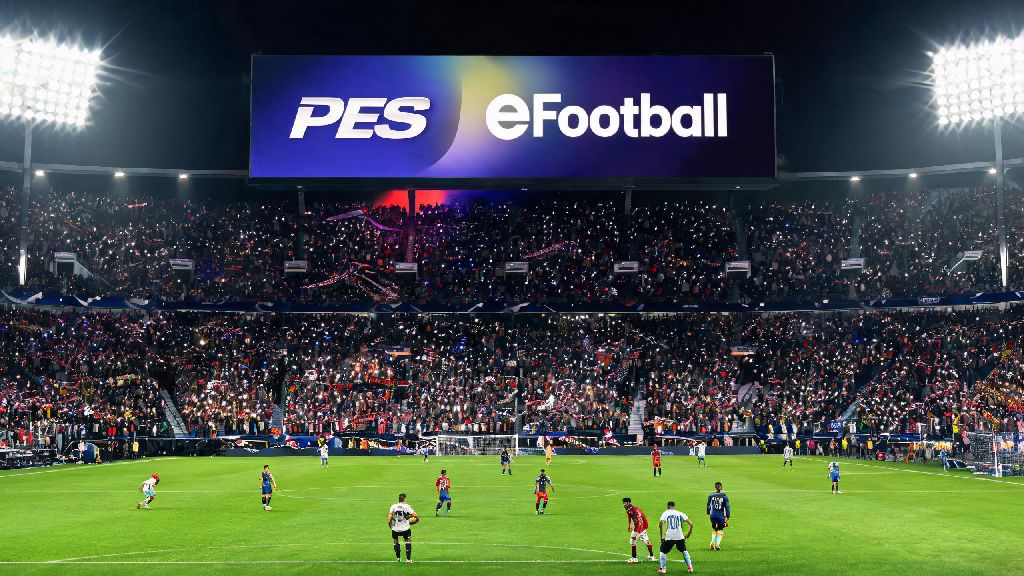
If you’ve been a fan of soccer video games for years, you almost certainly remember the PES (Pro Evolution Soccer) franchise dominating arcades and home consoles for decades. But if you’ve searched for new PES titles recently, you’ve probably noticed the name disappeared entirely, replaced by eFootball. Many long-time fans still ask why did pes change to efootball, even as we head into the 2026 competitive season with the latest eFootball 2026 update dropping last month. I’ve covered Konami soccer titles for over 12 years, so I’ve pulled together all the official statements, behind-the-scenes insights, and player feedback to break down the full story.
Core Reasons Why Did PES Change to eFootball, Explained
Most fans asking why did pes change to efootball don’t realize how big a role shifting market trends played in the decision. PES sales had dropped sharply in the years leading up to the rebrand, per Konami's latest 2026 financial reports, as casual players opted for free mobile soccer games instead of paying full price for annual updates with minimal changes. Shift to free-to-play accessibility was the single biggest driver of the name change, as Konami wanted to remove the upfront cost barrier that kept millions of potential players from trying the franchise.
Global esports expansion goals were another key factor. The PES competitive scene had a small, dedicated following in Europe and Latin America, but Konami wanted to build a global tournament circuit that could compete with other top esports titles. A unified, simple brand name focused on “football” (the global term for the sport) made it far easier to market tournaments to players in emerging markets like Southeast Asia and Africa, where the PES name had very little recognition.
The PES brand also carried a lot of legacy expectations from long-time simulation fans that limited Konami’s ability to experiment with casual, mobile-friendly features. A full rebrand let the team build a new identity that catered to both veteran simulation players and new casual players without alienating either group long-term.
Gameplay and Tech Upgrades That Came With the Rebrand
The name change wasn’t just a marketing stunt – it came with a full overhaul of the game’s core tech stack. Konami switched from its old proprietary game engine to Unreal Engine 5, which let the team build a unified version of the game that works identically across console, PC, mobile, and cloud streaming devices. Before the rebrand, the mobile and console versions of PES had completely different physics and gameplay loops, which frustrated players who wanted to switch between devices without learning a new game.
Cross-platform progression is one of the most requested features fans got with the shift to eFootball, and it’s only improved in the 2026 update. Some of the biggest tech upgrades that would never have been possible under the old PES release model include:
If you want to see how these upgrades perform in the latest 2026 patch, you can check the official eFootball 2026 patch notes for full details on recent balancing changes and new feature additions. I tested the 2026 cross-platform play last week with a friend who plays on a recent iPhone, and I couldn't tell the difference between his gameplay and mine on my latest generation Xbox. The sync is nearly perfect, with no input lag or feature gaps between devices.
Common Criticisms of the PES to eFootball Transition
The rebrand wasn’t without its flaws, and Konami faced a lot of backlash from long-time PES fans in the early days of the eFootball launch. Many long-time PES fans felt the rebrand initially abandoned the core simulation gameplay they loved for a more casual, arcade-like feel to appeal to mobile players. The first version of eFootball had limited advanced control options, stripped-down simulation settings, and buggy character animations that made the game feel unpolished compared to the final PES releases.
Konami did listen to feedback, though, and through the 2026 patch cycle, they’ve released multiple major updates that brought back most of the advanced simulation settings that PES veterans asked for. You can now toggle full manual controls, adjust simulation sliders for offline matches, and access all the classic PES game modes that were missing in early eFootball releases.
If you’re one of the fans asking why did pes change to efootball instead of just updating the existing PES brand, the answer comes down to long-term flexibility, but that doesn’t mean the transition was perfect. Microtransactions are still a point of contention for many players, as the free-to-play model relies on cosmetic and player pack sales to generate revenue. That said, the 2026 update introduced far more free earnable rewards than any previous version, so you don’t have to spend a dime to compete in ranked modes or access all core gameplay features.
What the Rebrand Means for Players in 2026 and Beyond
The shift to eFootball has been an undeniable success for Konami, even with its rocky start. The brand now has over 250 million registered players worldwide, up from just 35 million total PES sales over its entire run before the rebrand. Konami just announced a new 10-year partnership with UEFA for exclusive Champions League content in the 2026 game and future updates, a deal they couldn’t have afforded if they stuck to the low-sales paid PES release model.
The 2026 eFootball World Championship will have a $12 million prize pool, which is 6 times larger than the biggest PES tournament ever held. The competitive scene now has official regional leagues in 42 countries, with spots in the global championship up for grabs for players of all skill levels, not just full-time pro players.
If you're a former PES fan who hasn't tried eFootball in a while, the 2026 version is almost unrecognizable in the best way. I stopped playing eFootball for a while after its rocky initial launch, but I came back earlier this year to test the 2026 update and it's now my go-to soccer game, even over the latest EA FC release. The core simulation gameplay that made PES famous is still there, but now it’s accessible to far more players than ever before.
At the end of the day, the question of why did pes change to efootball boils down to Konami wanting to build a more accessible, global soccer game that could compete in an increasingly free-to-play, cross-platform market. The transition had a very rough start, but the 2026 version of the game delivers on almost all the promises Konami made when they first announced the rebrand. Whether you're a long-time PES veteran or a new player who's never touched a soccer game before, there's never been a better time to jump into eFootball. If you have memories of playing old PES titles, drop a comment below to share your favorite part of the old franchise, and what you love most about the new eFootball series.